
Winter in the Himalayas “Often leaves in small stages…but sometimes it simply leaves one night” says Kersang from her village near Deqin in northwestern Yunnan. It is still ‘spring’ of this year when she says this. Being Tibetan she feels the winter and sees it as something more than simply cold but rather as a time.
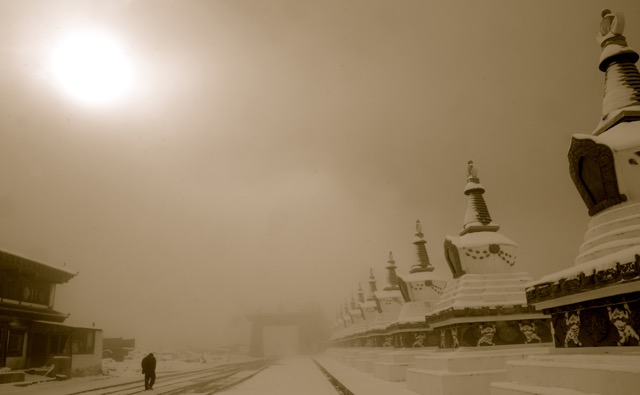
Spring this year is but a word as snow still lines the mountains and the north-facing valleys padding everything in white muted padding. Winds are constant and there is a tang of snow in them still but the snow itself appears immovable once it hits the ground. This winter has seen more snow than in previous years and the cold reminds Kersang of winters decades ago which pleases her. Winters for her are a time to shut down, get out of the fields and spend with ones who matter sipping tea near to a fire. It was a time when the temperature and risks enforced a slowdown in all things and all expectations
“Winters should be winter” she says simply and I couldn’t agree more. The water-ways that flow out of the great mountains: the Yangtze, the Mekong, and the Salween and all of their dozens of tributaries all run low, clear, and cold as they too slow down and reflect the heights’ health.
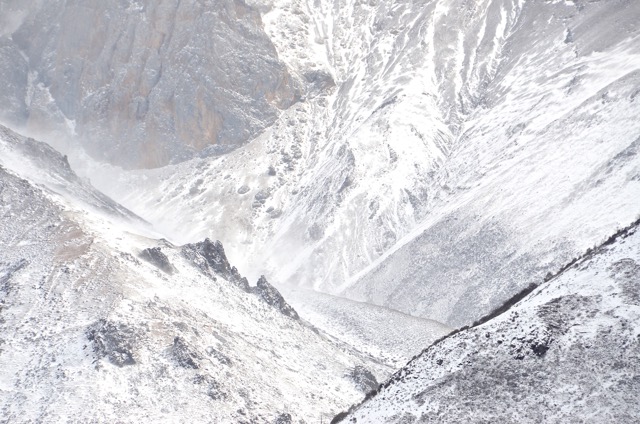
Another season journeying in northwestern Yunnan with the cold still sitting deep in the earth has reminded me – and in many ways reassured me – that all places and people need winter to bring about a break, a change, a consideration of things and perhaps just a grand expanse of nothing.
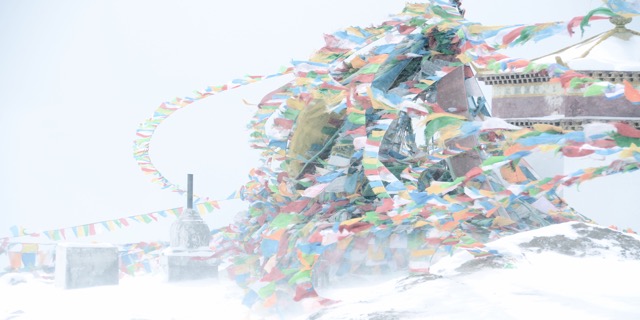
In the days of the Tea Horse Road, the idea of ‘Gung’ka’ (‘winter’ in Tibetan) was a loose and flexible one, particularly when it applied to traversing the mountains.
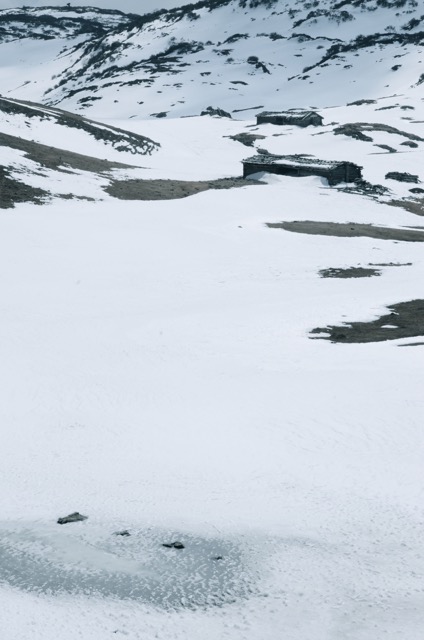
“Snow could come anytime. Winter only meant that it would be colder” said old trader Tenzin years ago when speaking of the months’ long expedition to bring tea, salt, wool, and all things desired into the mountains. Winter was not a time of bleakness but rather of silences
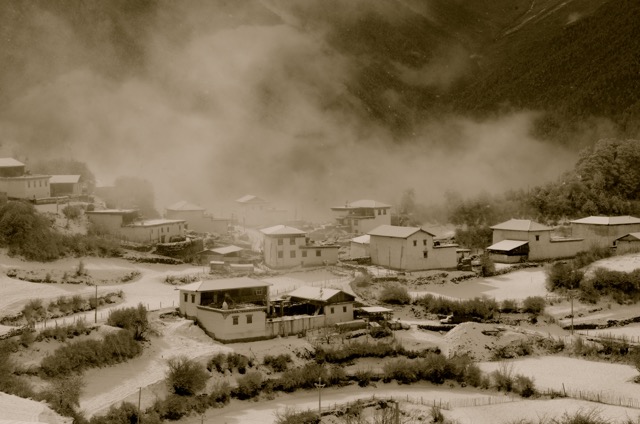
Another sage trader of the route, Kalsang of the ancient Tibetan kingdom of Jol had another gem of eloquence about the seasons. “Seasons are simply times in a year. They are a measure, not a fact”.
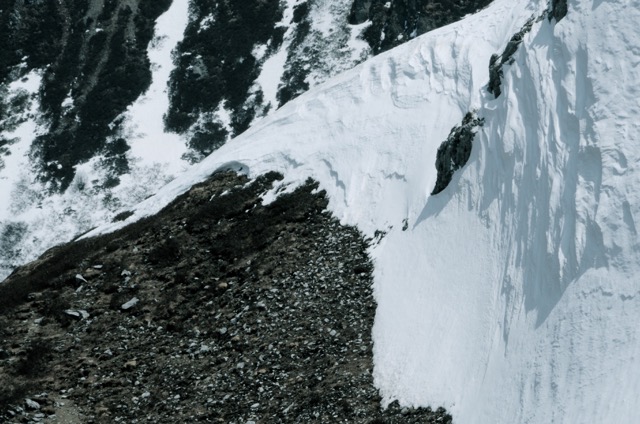
Eternal friend in most mountain journeys Sonam, tells me this spring that winter is once again beginning to assert and lengthen and intensify. He feels it in his bones differently than when he was young. We travel together bound by memories of the same landscapes felt and seen at different times of year.
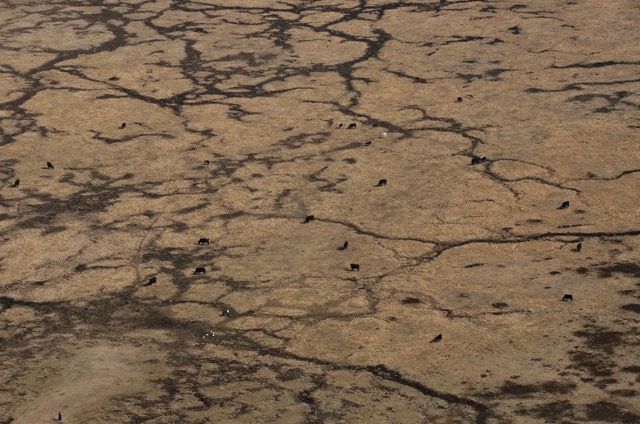
For many – beyond even the Himalayas – the idea of change and of marking time and flow is based upon the seasonal ebbs at the end and beginning of every year. It is no accident that ‘losar’ (Tibetan’s New Year) begins when the temperatures drop to their lowest levels.
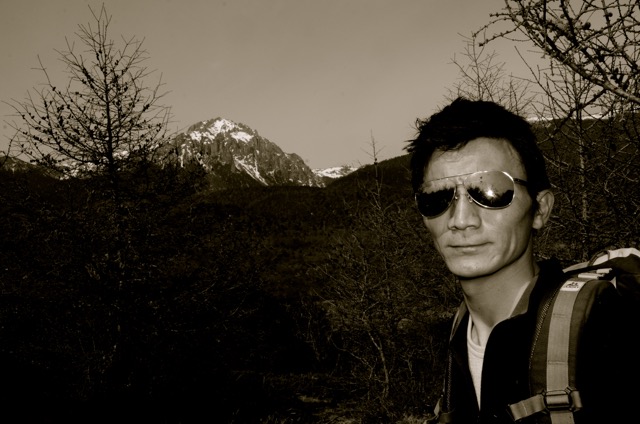
Sonam (aka Spiderman)
When things are this dry and still, the structures of men seem more vulnerable themselves while the elements of the natural world take their time to issue shape and form. Roads are vulnerable, fence-lines hidden and snow obliterates many of the signs of habitation which I’m sure suits the elements fine.
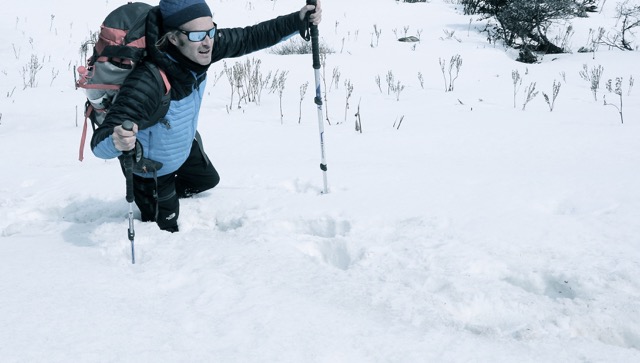
Through the snow I go
Sonam tells me one day as we trek up a segment of snow covered earth that he thinks “The winter might last a little longer this year. It might remember itself”. I thought his words perfect.
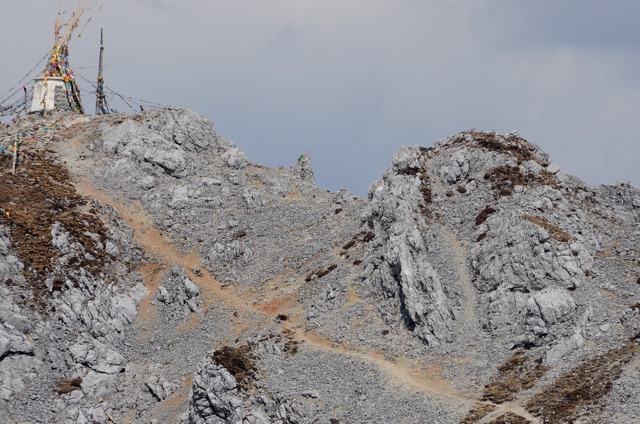
A barren summit, pass, or pathway in winter for locals is in fact a negative sign like this one in northwestern Yunnan
A little more winter wouldn’t be such a bad thing.
